Family Christmas Card: A Designer's Real-World Review
As someone who has spent years stitching designs for clients, selling handmade goods on Etsy, and testing files on everything from heavy canvas to delicate baby onesies, I approach every new embroidery file with a mix of excitement and skepticism. There is nothing worse than downloading a beautiful digital asset only to find it falls apart under the needle or looks cheap once finished. Today, I want to walk you through my honest evaluation of the Family Christmas Card design. This isn't just another product description; it is a practical look at how this piece fits into real embroidery projects, commercial ventures, and holiday gift giving.
The First Impression: Mood and Visual Personality
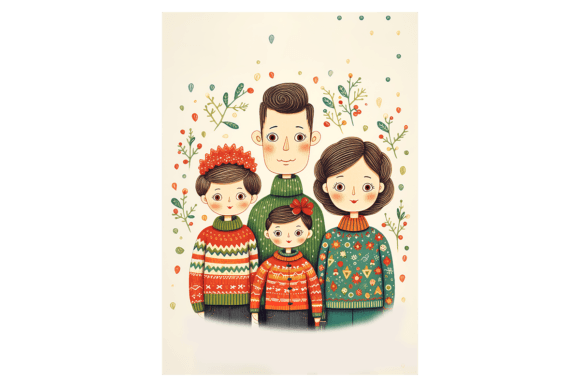
When you first open the folder containing the Family Christmas Card, the immediate feeling is one of warmth and nostalgia. In the world of machine embroidery design, mood is everything. This illustration captures the cozy chaos of the holidays without feeling cluttered. The layout feels balanced, suggesting that the designer understood how negative space works in a stitched format. It doesn't scream for attention like a neon sign; instead, it invites the viewer to lean in and appreciate the details.
The visual personality of this design leans heavily into traditional holiday aesthetics. It feels perfect for a holiday embroidery project where the goal is to evoke memories of past winters rather than creating something avant-garde. Whether you are an Etsy seller looking to refresh your shop inventory or a crafter making personalized gifts, this piece strikes the right chord. It suggests a family-oriented theme that resonates with almost everyone during the festive season, making it a versatile choice for various digital product sellers and creative entrepreneurs.
Real-Life Application: From Screen to Stitch
Let me take you through a scenario I recently faced. I was preparing a batch of custom embroidered tote bags for a local boutique client who wanted a unique holiday collection. They needed something that felt personal but wasn't too specific to a single family name. I pulled up the Family Christmas Card design as a potential centerpiece. My thought process was simple: would this hold up on a sturdy canvas bag? Would it look good next to other items in the shop?
Upon testing the design, I found that the composition works exceptionally well on medium-sized surfaces. The central motif allows for a nice focal point on a tote bag design, while leaving enough room around the edges for a custom name or date if the client wants to add that extra touch. I also considered using it on a sweatshirt. The design's scale is substantial enough to make a statement on a sweatshirt embroidery project without overwhelming the wearer, yet detailed enough to look professional on a high-end garment.
For those of you running a small business, think about how this design translates to other merchandise. Imagine it on a kitchen towel or a pillow cover. The warm tones typically associated with this type of illustrations category would pop beautifully against neutral linens. It creates an instant sense of home. For a small shop product line, having a cohesive set of designs like this can elevate your brand consistency. Customers trust shops that offer polished, well-thought-out collections rather than random, mismatched items.
Navigating Challenges: Where Caution is Key
However, no design is perfect for every situation, and as an experienced reviewer, I need to be transparent about where the Family Christmas Card might struggle. One of the most critical factors in embroidery is fabric texture and stability. If you plan to use this on a stretchy fabric like a jersey knit t-shirt, you must be extremely careful. Stretchy fabrics can distort dense stitch areas, leading to puckering that ruins the crisp lines of the card.
I would advise against placing this design on very small hoop sizes. If the design contains intricate details or tiny lettering, shrinking it down to fit a 4x4 hoop could result in a loss of definition. The stitches might merge together, turning distinct elements into a muddy blob. Similarly, if you are working with dark fabric, ensure your thread colors have enough contrast. While the design likely includes bright holiday colors, the background needs to support them. On a black cap, for instance, lighter threads might get lost unless you use a specific underlay strategy or a contrasting base layer.
Another area to watch out for is the density of the stitches. If the design features large areas of fill stitch packed tightly together, it can become stiff. This is particularly problematic for items like baby embroidery pieces, such as a onesie or a soft blanket, where comfort is paramount. You don't want a patch on a baby's back that feels like cardboard. Always check the stitch density before committing to a production run. If the design is too dense, consider removing some fill sections or adjusting the stitch length if your software allows.
Visual Appeal and Customer Trust
In the world of handmade products, presentation is everything. A well-executed embroidered patch or a neatly stitched custom apparel item signals quality to the buyer. The Family Christmas Card design, when stitched correctly, enhances the perceived value of the finished product. It looks intentional and professional, which builds customer trust. When a buyer sees a clean, clear design on a gift, they assume the maker put time and care into the creation.
This design also plays a crucial role in branding. For a craft business owner, using a cohesive aesthetic across all products helps create a recognizable identity. If your shop specializes in holiday decor, having a design like this ensures your offerings feel unified. It also aids in marketing; a high-quality photo of a finished product featuring this design can serve as a powerful printable mockup for social media ads or online listings. The visual appeal drives engagement, and in a crowded marketplace, that engagement is currency.
Practical Notes for the Embroidery Designer
Before you rush to load this file into your machine, there are several technical steps you should take to ensure success. First and foremost, always test the design on scrap fabric. This is non-negotiable. Use the same fabric and stabilizer combination you intend to use for the final project. This will reveal any issues with tension, puckering, or registration before you ruin a customer's order.
Review the stitch types included in the file. Does it rely heavily on satin stitch for outlines? Are there running stitch elements that might break easily on thick materials? Understanding the construction helps you prepare the right stabilizer. For a heavy-duty item like a denim jacket, you might need a cut-away stabilizer, whereas a light tea towel might only require a tear-away. Confirm the recommended hoop size for the design and ensure your machine can accommodate it comfortably.
Thread color selection is another critical decision. The design likely comes with a suggested palette, but you should adapt it to your specific fabric. Test the colors in both daylight and artificial light to see how they interact. Also, inspect the small details closely. Sometimes, what looks fine on a screen becomes illegible when stitched. Check whether the design works for both personal and commercial projects by reviewing the license terms provided by the creator. Do not assume you can sell unlimited quantities without checking the commercial embroidery rights.
Final Thoughts on Family Christmas Card
The Family Christmas Card is a solid addition to any embroiderer's library. It balances charm with technical feasibility, making it suitable for a wide range of applications from personalized gifts to boutique branding. While it requires careful handling regarding fabric choice and hoop size, the payoff is a professional-looking result that customers will love. Whether you are a hobbyist making a few holiday presents or a dedicated designer building a product line, this design offers a reliable foundation for your creative work. Just remember to test, adjust, and always prioritize the quality of the finish over speed. Happy stitching!