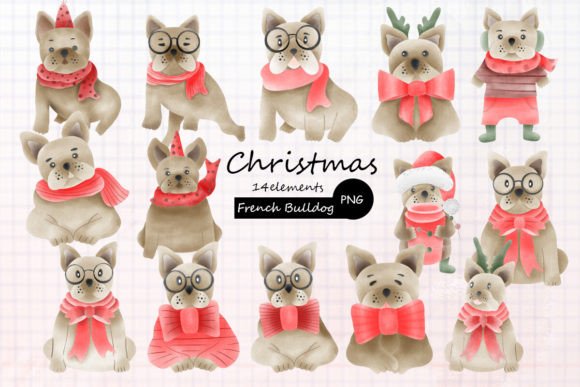
Hand-drawn Christmas French Bulldog PNG Review
As a designer who spends more time in the hoop than anywhere else, I am constantly sifting through digital assets to find that perfect spark for my next client project. Recently, I came across the Hand-drawn Christmas French Bulldog PNG, and I decided to put it through the ringer before committing it to any finished product. This isn't just another cute illustration; it is a specific design asset that demands careful consideration when translated from a screen to fabric. If you are an Etsy seller, a boutique owner, or a hobbyist looking to elevate your handmade products, understanding how this Illustrations category piece performs in real-world embroidery is crucial.
The First Impression: Mood and Visual Personality
The moment you open the file, the Hand-drawn Christmas French Bulldog PNG exudes a cozy, nostalgic holiday vibe. It does not feel like a sterile vector generated by software; instead, it carries the warmth of a sketchbook drawing. The lines have a slight organic irregularity that suggests a human hand behind the creation, which is exactly what customers crave in today's market for authentic, artisanal goods. The subject matter—a French Bulldog dressed for the holidays—is inherently popular, but the execution here feels fresh rather than generic.
The layout is compact yet expressive. There is enough negative space around the character to allow for breathing room on a garment, while the details within the dog's features provide visual interest without overwhelming the viewer. For a designer, this balance is gold. It creates a mood that is festive and friendly without being chaotic. When I imagine this design stitched onto a canvas tote bag or a soft baby onesie, the emotional connection is immediate. It speaks to the "giftability" factor, making it a strong candidate for holiday collections where buyers are looking for something personal and heartwarming.
Real-World Application: From Screen to Stitch
I recently had the opportunity to test this design concept on a custom sweatshirt order for a local pet lover. The goal was to create a unique, personalized gift that would stand out at a craft fair. Using the Hand-drawn Christmas French Bulldog PNG as the base, I converted it into a machine embroidery design. The first thing I noticed was how well the design translates to stitch density. Because the original art has clear, distinct shapes, it avoids the common pitfall of becoming a muddy blob when filled with thread.
This type of design is incredibly versatile for various product categories. On a sturdy tote bag, the bold outlines hold up beautifully against the rougher texture of the fabric. For baby clothes, the softer aesthetic works perfectly, provided the stitch count is kept moderate to ensure comfort against sensitive skin. I also considered its potential for embroidered patches and aprons. The festive theme makes it an ideal choice for holiday-themed kitchen towels or as a decorative accent on a chef's uniform for a bakery owner selling seasonal treats.
However, the transition from a digital preview to a physical object requires strategy. When I placed the design on a mockup of a dark-colored cap, I realized that the contrast needed to be managed carefully. While the Hand-drawn Christmas French Bulldog PNG is vibrant in its digital form, embroidery relies on thread reflection. If the background fabric is too dark and the thread colors are too similar, the intricate details of the dog's face might get lost. This is why testing on scrap fabric is non-negotiable before running a full production batch.
Navigating Technical Challenges and Fabric Choices
Not every surface is a friend to every design. While the Hand-drawn Christmas French Bulldog PNG is robust, there are specific scenarios where caution is required. Small hoop sizes can be tricky with detailed illustrations. If you attempt to stitch this on a tiny patch or a small section of a hat, the fine lines might merge together, losing the charm of the original hand-drawn style. In these cases, simplifying the design or reducing the stitch density becomes necessary.
Texture is another critical factor. Stretchy fabrics like jersey or thin materials like silk require extra stabilization to prevent puckering. A design with large fill stitches, which this one likely includes to cover the fur texture, can pull on lightweight fabrics if the wrong stabilizer is used. I recommend using a cut-away stabilizer for garments that will undergo frequent washing, such as aprons or kids' wear, to ensure the integrity of the embroidery project remains intact over time. Conversely, on stable fabrics like denim or cotton twill, the design shines with minimal risk.
Curved surfaces like caps present their own set of challenges. The perspective shift can distort the proportions of the dog if the design is not adjusted for curvature. Additionally, dense stitch areas need to be monitored to avoid thread breaks or needle deflection. If you are planning to use this for commercial embroidery projects, always verify the file format and compatibility with your specific machine. Do not assume that a high-resolution PNG automatically translates to a flawless stitch pattern without conversion and adjustment.
Visual Appeal and Brand Consistency
For small business owners and creative entrepreneurs, the visual consistency of your brand is paramount. The Hand-drawn Christmas French Bulldog PNG offers a distinct personality that can help define a shop's identity during the holiday season. It moves away from the mass-produced look of standard clip art and leans into a bespoke, curated feel. When customers see a product with this level of detail and artistic intent, they perceive higher value and are often willing to pay a premium for the craftsmanship involved.
This design also enhances the presentation of digital product previews. When creating printable mockups for your online store, the clean lines of the illustration allow for crisp rendering even in smaller thumbnail sizes. Whether you are showcasing a finished product on a blog or listing it on Etsy, the clarity of the design helps communicate quality instantly. It builds trust because it signals that you care about the details of your work, whether you are selling the digital file itself or the physical embroidered item.
Practical Designer Notes for Success
If you are ready to incorporate this design into your workflow, keep these practical tips in mind to ensure a successful outcome. First and foremost, always test the design on scrap fabric before stitching on your final material. This allows you to check thread color contrast and inspect small details under the actual lighting conditions of your workspace. A design that looks perfect on a monitor might behave differently once the thread tension is applied.
Review the stitch density closely. High-density designs can make fabric stiff, which might be undesirable for baby items or soft loungewear. Adjusting the settings to use a mix of satin stitch for outlines and fill stitch for the body can help maintain the hand-drawn aesthetic while ensuring the final product remains wearable. Also, confirm whether the licensing terms allow for commercial use if you plan to sell the finished items. Many designers overlook this step, leading to legal complications later.
Finally, consider the end-user experience. Will the customer wash the item frequently? If so, ensure the design is durable enough to withstand repeated cycles without fading or fraying. By taking these steps, you transform a simple digital asset into a professional-grade embroidery file that delivers on its promise. The Hand-drawn Christmas French Bulldog PNG is more than just a cute image; it is a tool for creating meaningful, high-quality handmade products that resonate with buyers. With the right approach, it can become a staple in your collection of design assets for years to come.