Christmas Card Merry Christmas Design Review
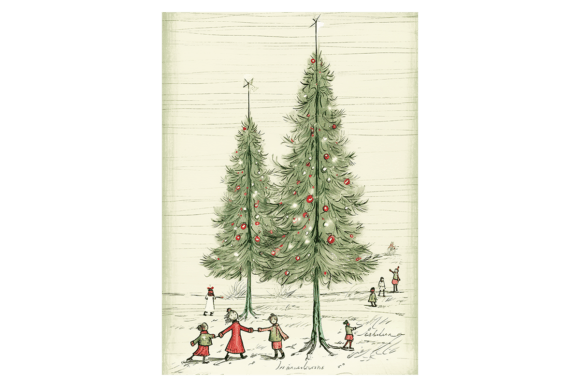
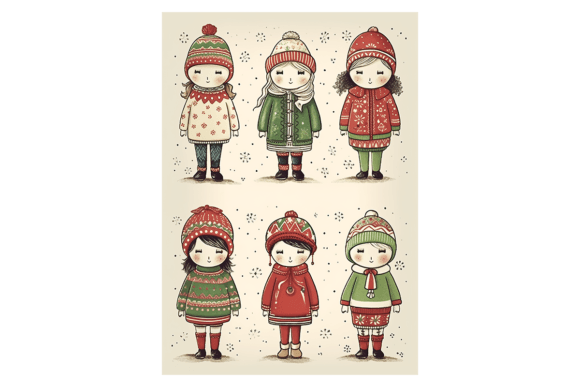
When I first opened the Christmas Card Merry Christmas file to prepare for a holiday client project, my initial reaction wasn't about stitch counts or file formats. It was about the mood. There is a specific energy required for seasonal work that separates a generic clip-art image from a design that actually feels like it belongs on a handmade gift. This piece of Illustrations carries a distinct warmth. It doesn't scream for attention; instead, it invites the viewer in with a classic, nostalgic feel that works perfectly for a boutique shop or a personal holiday card collection.
As someone who has stitched thousands of designs for everything from high-end corporate polos to delicate baby onesies, I know that the difference between a successful product and a disappointing one often lies in how well the design translates from screen to fabric. My goal here is to walk you through exactly how I evaluated Christmas Card Merry Christmas before putting it under the needle, focusing on real-world application rather than just marketing fluff.
The First Stitch: Visual Personality and Mood
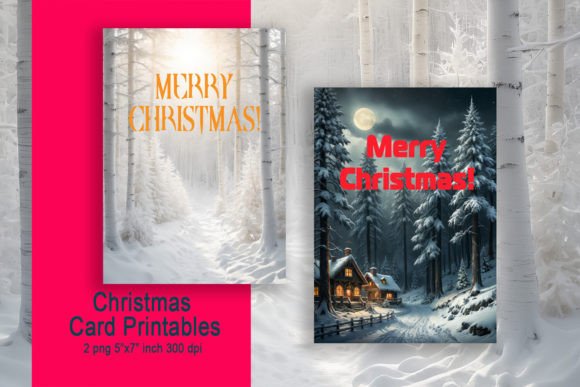
The layout of this design immediately signals its intended purpose. It isn't trying to be an abstract art piece or a complex landscape. It is a focused embroidery project centered on the sentiment of the season. The typography and graphical elements are balanced in a way that suggests a traditional holiday card, which is a powerful hook for customers looking for something timeless rather than trendy.
In terms of visual appeal, the design relies heavily on clean lines and clear shapes. This is crucial because embroidery is a medium of subtraction and addition; you are removing thread where there should be none and adding density where the image needs weight. The Christmas Card Merry Christmas file appears to have a strong silhouette. When I ran a quick black-and-white mockup test, the contrast held up well, suggesting that the final product will look crisp even if the color palette is muted or monochromatic. This kind of clarity builds customer trust instantly. A blurry or muddy design can make a handmade product look cheap, but a sharp design elevates the perceived value of the finished item.
Real-World Application: From Tote Bags to Baby Items
Let's talk about where this design actually shines. I recently had a scenario where a small business owner needed a cohesive look for her holiday market stall. She wanted to sell tote bags, kitchen towels, and perhaps some aprons. She needed a design that would work across different fabrics without losing its identity. That is where Christmas Card Merry Christmas fits the bill beautifully.
For a tote bag design, the central placement of the text allows for a bold statement on the front pocket or the main body. The design scales well enough to be read from a distance at a craft fair, yet detailed enough to be appreciated when a customer holds the bag close. If you are an Etsy seller or running a craft business, having a versatile asset like this means you can create a "holiday bundle" quickly. You could use the same design on a sweatshirt embroidery piece for a cozy winter look, or shrink it down slightly for a baby embroidery project on a christening gown or a onesie.
I also envision this working exceptionally well as a personalized gift. Imagine stitching this onto a linen kitchen towel with gold thread for a hostess gift, or on a pillow cover for a nursery. The festive theme makes it highly recognizable, which is vital for holiday gifts where the recipient wants to see the spirit of the season immediately. The design acts as a brand consistency tool; if you use this style across your entire holiday collection, your small shop product line looks professional and curated rather than random.
Performance on Different Fabrics and Surfaces
However, not every surface is created equal. As an experienced designer, I have to point out where caution is needed. While Christmas Card Merry Christmas is robust, the nature of the fabric plays a huge role in the outcome. If you are planning to use this on a stretchy knit fabric, such as a t-shirt or a sweatshirt, you must ensure you are using the correct stabilizer. Without proper backing, the stitch density might cause the fabric to pucker, ruining the clean lines of the lettering.
Textured fabrics present another challenge. If you attempt to stitch this on a rough burlap or a thick fleece, the details might get lost in the weave. For these materials, I recommend testing on a scrap piece first to see if the running stitch or satin stitch edges hold up against the texture. Similarly, if you are working with dark fabric, the thread colors you choose become critical. A light-colored design on a black background requires a high-density fill or a contrasting outline to prevent the threads from disappearing into the weave.
Technical Considerations for Commercial Use
When moving from a hobbyist mindset to a commercial operation, the stakes change. You are no longer just making a gift; you are selling a finished product that represents your reputation. Before mass-producing items with Christmas Card Merry Christmas, there are several technical checks you must perform.
- Hoop Size and Placement: Confirm the recommended hoop size for the design. If the design is too large for your machine's hoop, you may need to split the file, which can result in visible seams that detract from the embroidered patch or apparel quality.
- Stitch Density: Review the density settings. High-density areas can sometimes cause thread breaks or create a stiff, uncomfortable hand-feel on garments like caps or hats. Ensure the design isn't so dense that it creates a hard spot on the back of the shirt.
- Licensing and Usage Rights: This is non-negotiable for any commercial embroidery venture. Check the license terms carefully. Does the purchase allow you to sell the physical items? Are there restrictions on the number of units you can produce? Some digital files are for personal use only, while others come with a commercial license that permits selling the handmade product.
- Thread Color Contrast: Test your thread choices. A design that looks vibrant on a screen might look dull in cotton thread. Experiment with metallics or variegated threads to add depth, but ensure they don't clash with the Illustrations style.
Maximizing Value and Customer Engagement
One of the most overlooked aspects of selling embroidered goods is the presentation. A great embroidery file is only half the battle; the other half is how you present it. Using Christmas Card Merry Christmas effectively involves creating printable mockups that show the design in context. Don't just show the flat digitization; show it on a folded towel, hanging on a door, or worn by a model.
This level of detail helps buyers visualize the design assets in their own homes or businesses. It bridges the gap between the digital file and the tactile reality. When a customer sees a high-quality mockup of a custom apparel item featuring this design, they are more likely to engage with your listing. They trust the craftsmanship because the preview reflects the precision of the actual stitching.
Furthermore, consider the longevity of the design. A digital embroidery file that is too trendy might date your products within a year. However, a classic Illustrations style like this tends to remain relevant year after year. This makes it a smart investment for your design assets library. You can pull it out every December and know it will still look fresh and professional.
Final Thoughts on Practicality
Ultimately, the decision to use Christmas Card Merry Christmas comes down to whether it solves a problem for your specific project. Does it fit the aesthetic of your brand? Is it technically feasible for your equipment and chosen materials? If the answer is yes, then you have a winner.
Remember that every great embroidery project starts with a test. Always stitch a sample on scrap fabric to check the thread colors, confirm the stabilizer choice, and inspect the stitch density. This simple step saves time, money, and frustration. By treating your digitization process with the same care you would give to a client commission, you ensure that your custom apparel and holiday embroidery items stand out in a crowded market.
If you are looking for a reliable, festive, and versatile design to anchor your holiday collection, this piece offers a solid foundation. It respects the craft of embroidery while delivering the visual punch needed to capture attention. Whether you are a seasoned pro or just starting your journey as a creative entrepreneur, taking the time to evaluate the design's potential ensures that your final product is not just good, but exceptional.